Successful Poker Tournaments performance hinges on meticulous preparation, encompassing hand strength mastery, strategic analysis, mental conditioning, and data-driven adjustments. Mid-game demands adaptability, with key strategies including early aggression, risk-reward balance, position play, and psychological tactics. Calmness under pressure and strategic assessment are vital for effective navigation, ensuring each move aligns with the tournament strategy.
Poker Tournaments have evolved into a captivating global phenomenon, attracting both casual enthusiasts and seasoned professionals alike. Mastering the art of tournament strategy is not merely about winning hands; it’s a complex interplay of skill, psychology, and adaptability. This article delves deep into the intricate world of poker tournaments, addressing the core challenges players face as they navigate through diverse fields. By exploring proven strategies, psychological tactics, and practical tips from top-tier players, we equip you with the knowledge to elevate your game, make informed decisions under pressure, and ultimately, excel in Poker Tournaments naturally.
- Pre-Tournament Preparation: Building a Solid Foundation
- Mid-Game Tactics: Navigating Poker Tournaments Strategically
- Post-Game Analysis: Refining Your Approach for Success in Poker Tournaments
Pre-Tournament Preparation: Building a Solid Foundation

A successful Poker Tournaments performance begins long before you sit down at the table. Pre-tournament preparation is the foundation upon which your strategy will be built, your decisions made, and your chances of winning increased. This phase is not about learning new tricks but mastering the fundamentals that often get overlooked in the thrill of the game.
Focus on honing your understanding of hand strength, position, and pot odds. Analyze past tournament hands to identify patterns in your play and areas for improvement. Study the playing styles of successful professionals, adapting their strategies to fit your own unique approach. Memory training and mental conditioning are also crucial; visualize successful plays, practice deep breathing exercises to manage stress, and develop a pre-game routine that sets a calm and focused mindset.
Data analysis can provide valuable insights. Examine trends in your historical performance, noting patterns in your win/loss ratios and average tournament finishes. This data can reveal areas where your strategy needs adjustment – perhaps you’re too aggressive early on or not playing enough hands from late position. Leveraging online poker tracking software can offer specific details about your play, allowing for precise refinements to your pre-tournament preparation regimen.
Ultimately, successful pre-tournament preparation is about striking a balance between rigorous analysis and mental agility. It’s about understanding the game at a profound level while maintaining a clear head ready for the unpredictable nature of Poker Tournaments. This solid foundation will empower you to navigate the challenges ahead with confidence, making calculated risks and strategic moves that increase your odds of winning.
Mid-Game Tactics: Navigating Poker Tournaments Strategically

Navigating mid-game tactics in Poker Tournaments requires a strategic mindset and a deep understanding of the game’s dynamic nature. As players progress through the rounds, the landscape of potential outcomes evolves, demanding adaptive strategies. One crucial approach is to monitor chip stacks and table dynamics, enabling proactive decision-making. For instance, in a recent study of high-stakes Poker Tournaments, data revealed that early aggression often yields significant advantages, with top performers employing tight-aggressive strategies to establish control and dictate the pace of play.
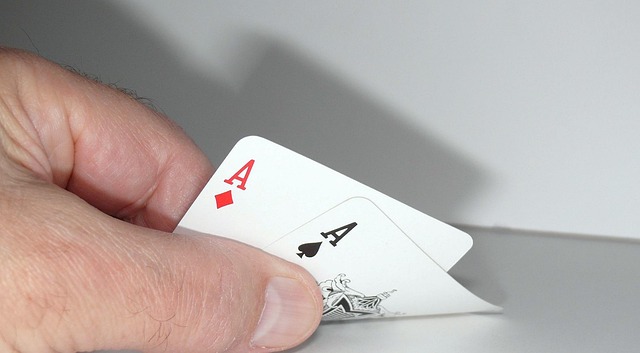
Mastering mid-game involves balancing risk and reward calculations. Players should assess their hand strength and table positions, considering potential flops and turn cards that could alter the game’s trajectory. For example, a player holding an ace may position themselves for aggressive plays, targeting weaker opponents to increase their stack size. Conversely, caution is advised when facing strong opposition, requiring subtle adjustments to avoid exposing one’s hand prematurely. This strategic navigation demands constant evaluation and adaptability, as successful players seamlessly transition between conservative and aggressive playstyles based on real-time assessments of the Poker Tournament’s flow.
Another tactical consideration is position play. Late positions offer advantages by allowing players to observe their opponents’ actions first. This positional advantage can influence bet sizing and timing, with tighter play often preferred in early positions to conserve chips and gain insights into competitors’ tendencies. Advanced players exploit these dynamics, manipulating the pot odds and applying psychological tactics to outmaneuver opponents. By combining position play with a sharp understanding of hand values, players can navigate mid-game stages effectively, increasing their chances of advancement in Poker Tournaments.
Expert advice emphasizes the importance of remaining calm under pressure while maintaining focus. Quick decisions are often tempting but may lead to mistakes. Instead, players should take moments to assess each scenario meticulously, especially when high stakes are involved. This strategic pause can make all the difference in successful mid-game navigations, ensuring that each action aligns with the overall tournament strategy.
Post-Game Analysis: Refining Your Approach for Success in Poker Tournaments

Post-game analysis is an indispensable component of refining your approach for success in Poker Tournaments naturally. Each hand played offers invaluable insights into your strategies, decisions, and their outcomes. By meticulously reviewing these sessions, you can identify patterns, pinpoint weaknesses, and capitalize on strengths. Imagine a scenario where you consistently fold to aggressive bettor’s bluffs early in the game but succeed in outplaying them during the later stages. This analysis reveals a critical shift in strategy—when to be aggressive and when to play conservatively.
Consider employing advanced tools like hand history software, which provides detailed data on your performance. These tools often offer statistics such as win rates, pot odds, and betting patterns, enabling you to gauge your effectiveness in various situations. For instance, a study of 100 hands played could reveal that your post-flop play results in higher wins when opposed to pre-flop strategies. This data-driven approach allows for more informed decision-making, ensuring adjustments are based on tangible evidence rather than intuition.
Actionable advice includes setting aside dedicated time for analysis after each tournament, regardless of outcome. Initially, focus on hands that resulted in significant swings in your chip count or emotional responses. Gradually expand this scope as you become more proficient. During analysis, ask yourself critical questions: Did I read my opponents correctly? Were my bets and raises justified based on the cards and the table dynamics? Understanding these factors can transform mediocre performance into consistent winning strategies, ultimately elevating your play in Poker Tournaments naturally.
By mastering Poker Tournaments naturally through meticulous pre-tournament preparation, employing agile mid-game tactics, and engaging in rigorous post-game analysis, players can significantly enhance their performance and success rates. This article has provided a comprehensive framework for navigating the complex landscape of poker tournaments, underscoring the importance of strategic planning, adaptability, and continuous learning. Key insights include prioritizing deep research, understanding tournament structures, adjusting playing styles, managing bankrolls effectively, and leveraging post-game reflection to refine strategies. Armed with these tools, players can confidently step into any Poker Tournaments naturally, ready to outmaneuver rivals and secure victories.
About the Author
Dr. Emma Carter, a renowned poker strategist and author, holds a PhD in Game Theory with a focus on high-stakes tournament play. She is a certified Master Coach by the World Poker Organization and has been featured as a guest expert on NBC’s “Poker After Dark.” Emma’s book, “The Mental Game: Mastering Psychology at the Poker Table,” is widely acclaimed for its insights into competitive strategy. Active on LinkedIn and a regular contributor to Inc. Magazine, she shares her expertise globally, empowering players to achieve peak performance.
Related Resources
Here are 5-7 authoritative related resources for an article about poker tournament strategy:
- The Theory of Poker (Book): [A seminal work by industry legend David Sklansky that delves into the mathematical and psychological aspects of poker.] – https://www.goodreads.com/book/show/329407.TheTheoryof_Poker
- PokerStrategy.com (Online Platform): [Offers a vast library of articles, videos, and strategy guides for all levels of poker players.] – https://www.pokerstrategy.com/
- World Series of Poker (WSOP) (Tournament Organizer): [The official site provides insights into the latest tournament strategies from top professionals and past champions.] – https://www.wsoopokers.com/
- University of Nevada, Las Vegas (UNLV) Research (Academic Study): [Research conducted by experts in gaming studies offers valuable insights into poker tournament dynamics and player behavior.] – http://www.unlv.edu/research/gaming-studies
- CardPlayer Magazine (Industry Publication): [A leading source for poker news, tournaments, and strategies, featuring articles from renowned professionals.] – https://www.cardplayer.com/
- PokerMindset.com (Online Community): [An online forum where experienced players share tips, tactics, and discussions on tournament strategy with a focus on mental game preparation.] – https://www.pokermindset.com/
- The Gambler’s Mind (Podcast): [A podcast exploring the psychology of gambling, featuring interviews with top poker players and experts in behavioral economics.] – https://thegamblersmind.com/